Planning new photos for your website? How to prepare before your agency asks
Investing in a new digital presence is a major move. You spend weeks researching agencies and comparing proposals. As the project starts, most business owners focus entirely on the design. But planning new photos for website builds early on is the only way to avoid a frustrating roadblock.
You have the discovery calls, pay the deposit and wait.
A few weeks later, they invite you to a video call. It is time to present the design mockup or staging link. You click the link, and the structure is beautiful. The navigation is clean, the branding is sharp and the layout flows perfectly.
But then you look at the images. They are either generic stock photos of impossibly neat people pointing at laptops. Or they are old, low resolution pictures the agency scraped from your current site to fill the gaps.
Then the project manager asks the inevitable question.
“So the structure is all approved. Once you send over your updated team and location photos, we will drop them right into these spaces and go live.”
The staging site scramble
This is the exact moment many business owners realise the truth. They do not actually have a folder of high quality images ready to go. The agency has built a fantastic engine, but you have no fuel to put in it.
I see this play out constantly. As the photographer called in to supply that missing content, I have a front row seat. I see what makes an agency collaboration succeed and what makes it stall.
Web developers are specialists at building digital real estate. They are rarely local to you. They certainly cannot reach through the screen to photograph your actual business.
If you are about to hand over your money to an agency, you need a strategy. Here is a thorough guide on how to manage the visual content side. We will look at what to expect from a top tier agency and how to avoid the staging site scramble.
1. The first step in planning new photos for website builds
A high quality agency knows a website is only as good as its images. Whether they are based in Sydney, Melbourne, Brisbane, somewhere else in the world like India, or just down the road, they will ask about your assets. They want to know about your photography, video and virtual tours during the first discovery phase.
They do this because they need to know what they have to work with. If your current photos are small, outdated or taken on an old phone, they will flag it immediately. A smart agency will tell you straight up. Dropping poor photos into a premium website drags the whole design down. It hurts your return on investment.
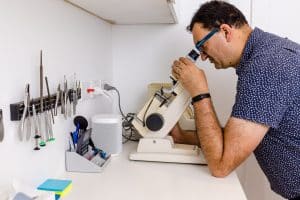
Having this conversation early gives you runway. It allows you to find a local photographer and get a shoot sorted without delaying the launch. If an agency does not mention photos until the site is halfway built, treat that as a warning sign. It means they view content as an afterthought.
2. They understand the AI factor and absolute truth
Right now, the internet is flooding with AI generated content. People are using AI tools to search for local businesses. Those platforms are looking for genuine, verified signals to rank you.
But more importantly, everyday consumers are becoming highly skeptical. People are second guessing what they see online. If a potential client looks at a photo on your new website and thinks, “Is that actually their team?”, you have a problem. That split second of doubt completely erodes trust.
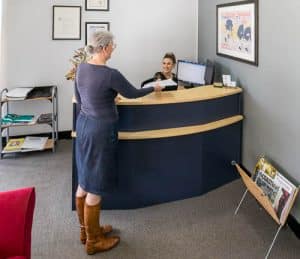
AI is not inherently bad. It is a fantastic tool for speeding up workflows or structuring ideas. But it falls short when showing people who you are and what you do. AI or generic stock images just confuse things and get in the way of reality.
When an agency asks for authentic photos of your actual workspace, they are doing you a favour. Real photography shot by a professional provides undeniable proof. It leaves the viewer with zero doubt about who they are hiring. The truth converts better than polished perfection every single time.
3. They provide a structural, purpose driven brief
You run your business. You should not be expected to know what dimensions or aspect ratios a modern website needs.
When you are planning new photos for website layouts with a good agency, they do not just tell you to ‘get some photos’. They look at the mockup and build a specific, structural shot list. They understand that different parts of a website do different jobs.
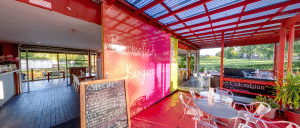
A thorough agency brief will usually include:
- Hero Images:Wide, horizontal shots with plenty of negative space on one side to overlay text.
- Trust Signals: Consistent, professional headshots of your team to build trust on the About page.
- Process Shots: Images showing your specific services in action to prove you actually do the work.
- Location Context: Wide shots of your building exterior so local customers know what to look for.
When an agency provides a list like this, they take the guesswork out of the process completely.
4. They build with Local SEO and Google Business Profiles in mind
Getting a beautiful new website is great. But your Google Business Profile is usually where local people find you first. Agencies that understand local search look at the big picture. They make sure the photo shoot covers your website and your Google listing simultaneously.
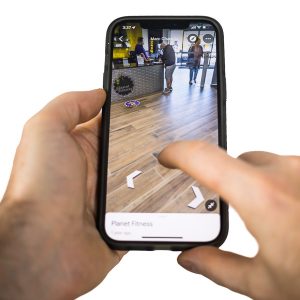
This is also where virtual tours come in. Not all web agencies think about virtual tours. They are often focused purely on the 2D layout of the site. As the business owner, you should bring this to the table.
Ask the agency how a 360 degree Google Street View tour can be embedded. When a customer can literally walk through your clinic or workshop from their phone, it makes their decision easy. It removes the friction of the unknown.
From an SEO perspective, embedding that tour keeps visitors on the page longer. This increased “dwell time” sends a strong signal to Google. It proves your site is genuinely helpful, which supports all the hard work your agency is doing.
A quick note for the DIY builders
All of these principles matter even if you are not hiring an agency. Maybe you are building your own site on Wix or Squarespace on a Sunday afternoon. The rules do not change.
People still want to know the truth about who you are. A budget friendly website featuring real, professional images will perform brilliantly. Even if you are tackling the design yourself, planning new photos for website templates will almost always outperform an expensive custom site full of fake smiles and stock images.
How to manage the gap (and how I fit in)
If you find yourself staring at a mockup full of stock photos, do not panic. The best thing you can do is pause. Ask the agency for a specific list of the visual gaps, and bring in a local professional.
When I join these projects through Work Pics 360, my job is to bridge the physical gap. I do not want to change the agency design. I want to supply the exact files that make it work. [Link “Work Pics 360” or “bridge the physical gap” to your Contact page or Services page to satisfy the internal link rule].
The process of planning new photos for website layouts should be straightforward. The agency shares their design mockup and shot list. I review it to ensure we cover all angles needed for both the website and your Google Business Profile. I come out to your business and capture everything efficiently without disrupting your team. Then, I package all the files up exactly how the developers need them.
It removes the stress for you. It protects the investment you are making with the agency. Most importantly, it ensures your new digital presence actually reflects the reality of your business.
If you are talking to an agency or staring at a staging site right now, feel free to reach out. I am always happy to look over a staging link and give you straightforward advice.
If you’re an agency or marketing director, check out my info specifically directed for agencies. If you dig a bit further in, you’ll see that I can even give you access to my estimate calculator. It’s a handy tool to make sure your projects can be on budget.